Home winter preparation involves a thorough maintenance routine centered on servicing heating systems, cleaning gutters, and sealing window or door gaps to improve energy efficiency. Essential tasks include inspecting the roof and chimney for safety, along with winterizing outdoor plumbing and sprinkler systems to prevent pipes from freezing during extreme cold.
As the first frost settles over the Roaring Fork Valley, the luxury of a tranquil autumn can quickly shift into the urgency of winter preparedness. For homeowners in Aspen or Snowmass, the seasonal transition is not merely about aesthetics; it is about preventing the costly property damage that accompanies sub-zero temperatures and heavy snow loads. Neglecting the specific demands of our high-altitude climate often leads to burst pipes, ice dams, or heating failures during the peak of the ski season. This guide provides a professional roadmap for winterizing your estate. You will learn about critical exterior maintenance, the necessity of professional sprinkler blowouts, and the importance of securing a reliable snow removal plan before the first significant accumulation. By following these essential steps, you ensure your property remains a sanctuary rather than a source of seasonal stress.
Why Timing is Critical for Winterizing Roaring Fork Valley Homes

In the Roaring Fork Valley, timing is a critical factor for property preservation. While residents in Carbondale may enjoy mild afternoons and green lawns through late September, the high altitude environments of Aspen and Snowmass often face significant snowfall and freezing temperatures as early as October. This elevation gap creates a compressed window for home winter preparation that demands proactive scheduling.
High altitude mountain homes require a different level of care than properties at lower elevations. The intense UV exposure, extreme temperature swings, and heavy snow loads unique to Pitkin County mean that basic maintenance is rarely enough to prevent costly damage. The optimal time to address these technical needs is during the shoulder season, the brief period between the departure of summer crowds and the arrival of the first permanent snowpack. Utilizing this window for comprehensive property management ensures that mechanical systems are tested before they are under the stress of sub-zero temperatures. Waiting until the first major storm to arrange professional snow removal or interior cleaning services often results in significant delays when demand peaks across the valley. Securing these services early protects the structural integrity of your home against the aggressive freeze-thaw cycles characteristic of the Colorado Rockies.
Exterior Maintenance and Landscaping Transitions
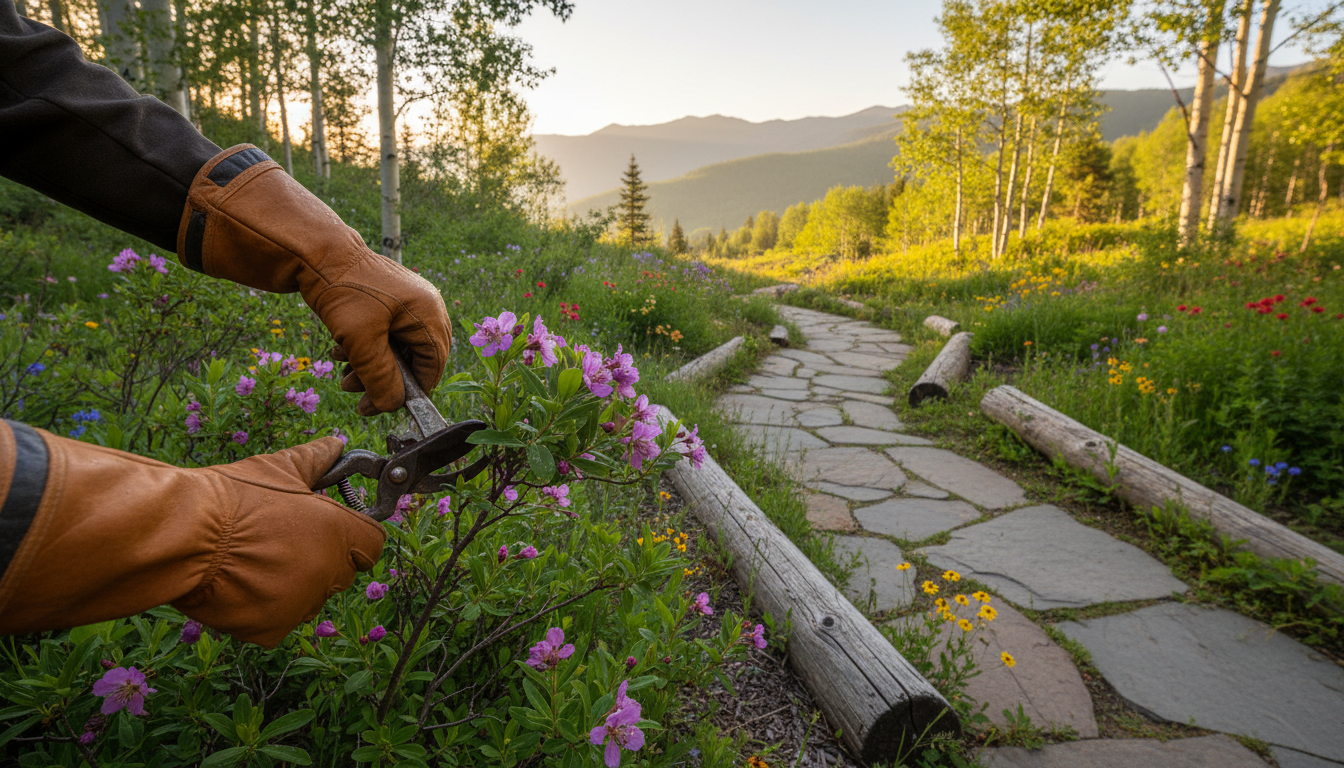
Transitioning from the lush summer growth to a dormant winter state requires more than just stopping the mower. In Aspen and Snowmass, the physical weight of the snowpack combined with local wildlife activity necessitates specific horticultural care. You should prune native shrubs to maintain their structural integrity and wrap the trunks of sensitive young trees. This protects against the weight of heavy, wet snow that can snap branches, and it also deters elk and deer from browsing on tender bark during the lean winter months when food is scarce.
Clearing gutters is a task that must be timed carefully after the final aspen leaves have fallen but before the first hard freeze. The combination of delicate aspen leaves and dense pine needles creates a thick mat that traps moisture. If left in the troughs, this debris accelerates the formation of ice dams, which can force water up under shingles and into your soffits as the sun warms the roof.
The Roaring Fork Valley experiences an aggressive freeze-thaw cycle where temperatures can fluctuate forty degrees in a single day. This cycle is particularly damaging to stone walkways and patios. Moisture trapped under organic debris or soil buildup on stone surfaces will expand and contract repeatedly, leading to heaving, cracking, and the degradation of mortar or sand joints. Through comprehensive property management, these outdoor spaces are cleared of all organic matter, ensuring the substrate remains as dry as possible. Taking these steps during the shoulder season prevents the need for major hardscape repairs once the spring melt begins.
Professional Sprinkler Blowouts and Plumbing Protection
Protecting your property’s subsurface infrastructure is a critical step in home winter preparation. While many homeowners assume that simply turning off the water and gravity-draining the system is sufficient, the deep freezes common in Pitkin County require a more rigorous approach. Residual water trapped in low spots or valves will expand as it turns to ice, leading to cracked manifolds and ruptured lateral lines that only become apparent during the spring startup.
Effective winterization requires a professional blowout using high-volume air compressors. Unlike small residential compressors, these units provide the necessary cubic feet per minute (CFM) to clear the entire system without using excessive pressure that could damage fragile components. This process ensures that moisture is completely evacuated from every zone, including the backflow preventer and all sprinkler heads.
Beyond the irrigation system, the most frequently overlooked maintenance task according to PAA data is disconnecting garden hoses from exterior spigots. Even if your home is equipped with frost-proof faucets, leaving a hose attached prevents the internal stem from draining. As temperatures drop, the trapped water freezes and expands back into the house, often causing the pipe to burst behind the siding or inside the wall. Incorporating these checks into a plan for comprehensive property management prevents these avoidable, high-cost plumbing emergencies.
Roof and Gutter Inspection for Ice Dam Prevention
The focus of home winter preparation shifts from the ground up to the roofline as autumn temperatures fluctuate. In the Roaring Fork Valley, the interaction between intense high altitude solar radiation and plummeting nocturnal temperatures creates a prime environment for ice dams. During the day, the sun warms the roof surface and melts the bottom layer of the snowpack, even when air temperatures remain low. As this runoff reaches the colder, unheated eaves or gutters, it refreezes, forming a solid barrier of ice that forces subsequent meltwater upward beneath the shingles.
To mitigate this risk, you must verify the operation of all heat tapes and gutter cables before the first significant accumulation. These systems often fail unnoticed during the summer months; testing them now ensures they provide a clear path for drainage when it is needed most. Furthermore, a detailed inspection of shingles is critical. Any curling, cracking, or loss of granules creates an entry point for moisture infiltration. While small structural defects may remain frozen during the depths of January, they will inevitably lead to interior ceiling damage during the heavy saturation of the spring melt. Incorporating a thorough roof and gutter assessment into your comprehensive property management plan prevents structural emergencies that are difficult and dangerous to remediate once the roof is loaded with snow.
Heating Systems and Fireplace Readiness
Interior climate control systems are the primary defense against the harsh Pitkin County winter. A professional HVAC technician should inspect the blower motor and heat exchanger before consistent sub-zero temperatures arrive. Replacing air filters is essential; the high altitude environment is prone to fine dust that can clog modern high-efficiency systems, forcing the motor to work harder and increasing the risk of mechanical failure during a cold snap.
For properties utilizing wood-burning fireplaces, a professional chimney sweep is a critical safety requirement. Mountain homes frequently burn local pine and aspen wood, both of which release significant amounts of sap and resin. This leads to rapid creosote buildup, a highly flammable byproduct that can cause dangerous chimney fires if the flue is not cleared annually.
Homeowners should apply the 5 P's framework to their home winter preparation to ensure comprehensive safety during extreme cold:
People: Confirm that heating systems are functioning in every room and emergency supplies are accessible.
Pets: Provide adequate indoor shelter and ensure outdoor areas are clear of ice-melt chemicals.
Plants: Move sensitive greenery away from drafty windows or into controlled climate zones.
Pipes: Keep thermostats set to at least 55 degrees and open cabinet doors to allow warm air to reach plumbing.
Property/Plumbing: Monitor mechanical rooms for pressure drops or unusual noises.
Integrating these internal checks into a plan for comprehensive property management guarantees that your home remains a safe sanctuary through the coldest months of the ski season.
Interior Deep Cleaning Before the Ski Season

Once the heating system is active and the house is sealed against the cold, indoor air quality becomes a priority. A professional deep clean serves as a vital final step in your home winter preparation by removing the fine high-altitude dust and allergens that accumulated throughout the summer and shoulder season. Focus specifically on heavy draperies and upholstered surfaces. Because these fabrics remain closed more often during the winter months to provide extra insulation against the glass, cleaning them now prevents trapped particles from circulating through the HVAC system.
Attention should also shift to the mudroom and kitchen. In Aspen and Snowmass, the mudroom acts as the primary transition zone for ski gear, boots, and heavy outerwear. A structured deep clean involves sanitizing these high-traffic floors and organizing storage bins to prevent the tracking of snowmelt and road salt into living areas. Finally, preparing the kitchen for holiday hosting is essential for seasonal residents. This includes degreasing appliances and detailing cabinetry, ensuring the heart of the home is ready for the intense usage of the peak ski season through expert cleaning services.
Establishing a Professional Snow Removal Plan
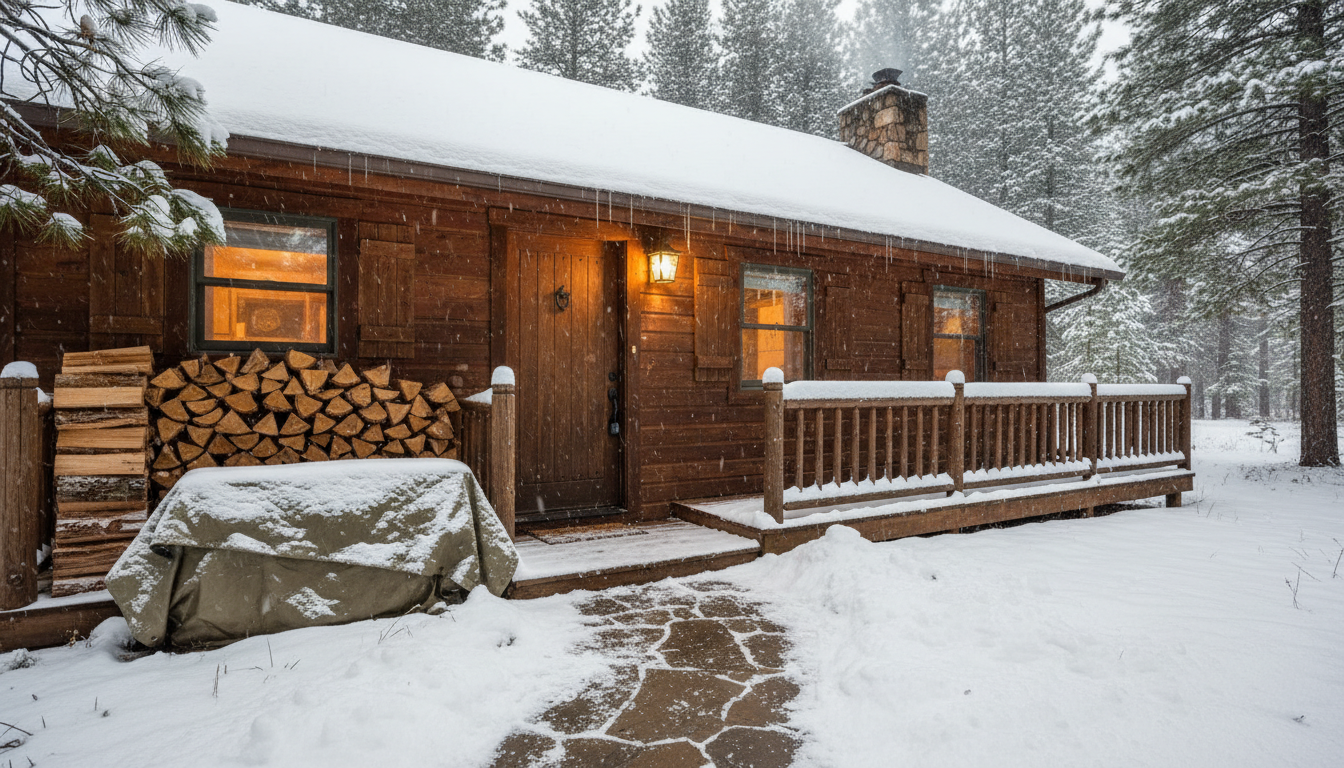
As the interior is sanitized and organized for holiday guests, the focus must shift to maintaining safe access to the property. A thorough approach to home winter preparation is incomplete without a solidified snow management strategy. In the Roaring Fork Valley, waiting until the first major storm to search for a plow service is a significant tactical error. Local providers typically finalize their routes by mid-October; during a heavy accumulation, dispatchers prioritize existing contract clients, leaving others stranded behind deep drifts.
A professional contract guarantees consistent clearing for driveways and essential walkways. Beyond simple plowing, these agreements should include walkway salting to mitigate the hazards of the freeze-thaw cycle and deck shoveling to prevent structural stress from heavy snow loads. In high-altitude environments like Snowmass, the physical weight of accumulated snow can compromise outdoor structures if not managed proactively. For a deeper analysis of efficient clearing techniques, refer to our guide on Snow Removal Tips. Incorporating professional snow removal into your comprehensive property management plan ensures that your residence remains accessible, safe, and operational throughout the most demanding months of the Pitkin County winter.