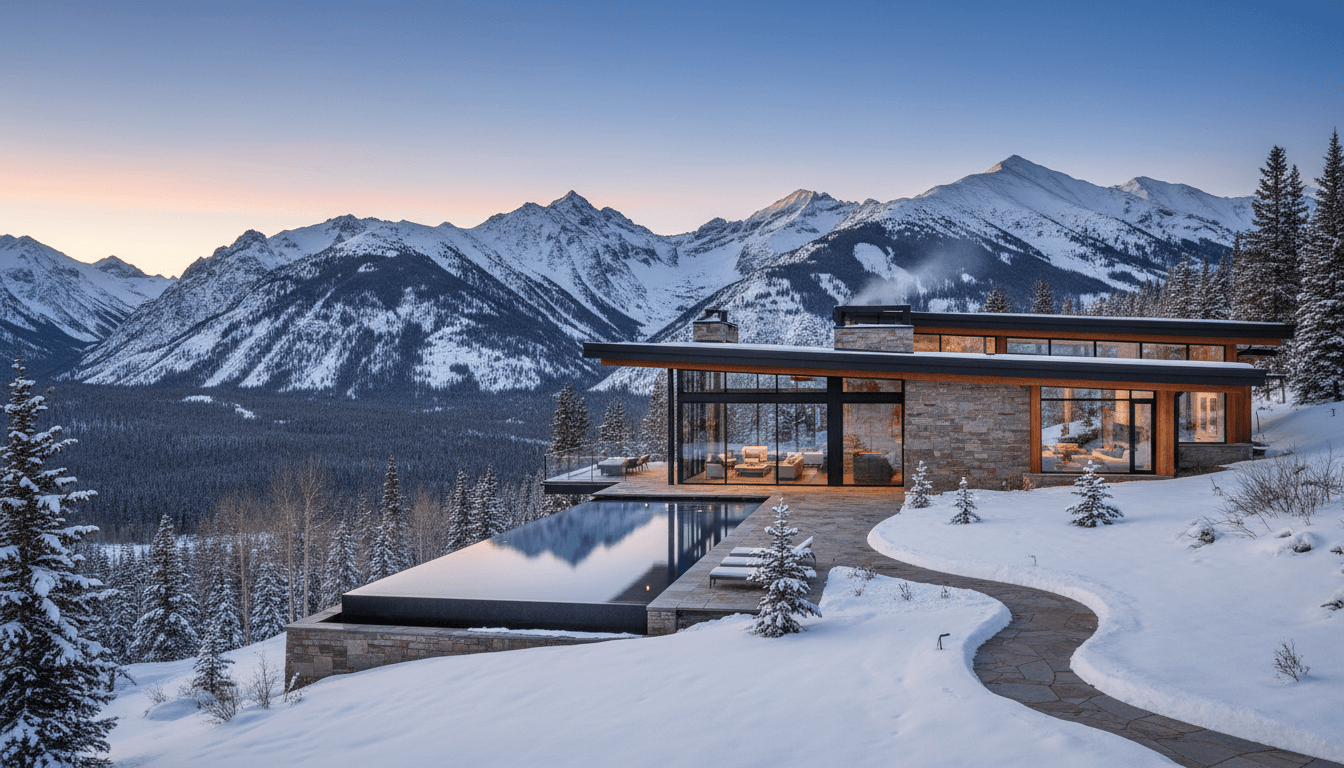

A comprehensive fall landscaping checklist mountain home includes cleaning up debris, aerating the lawn, and winterizing irrigation systems to prevent freezing damage. Property owners should also prune dead tree limbs, apply mulch for root insulation, and use a high phosphorus fertilizer to support root health throughout the winter months.
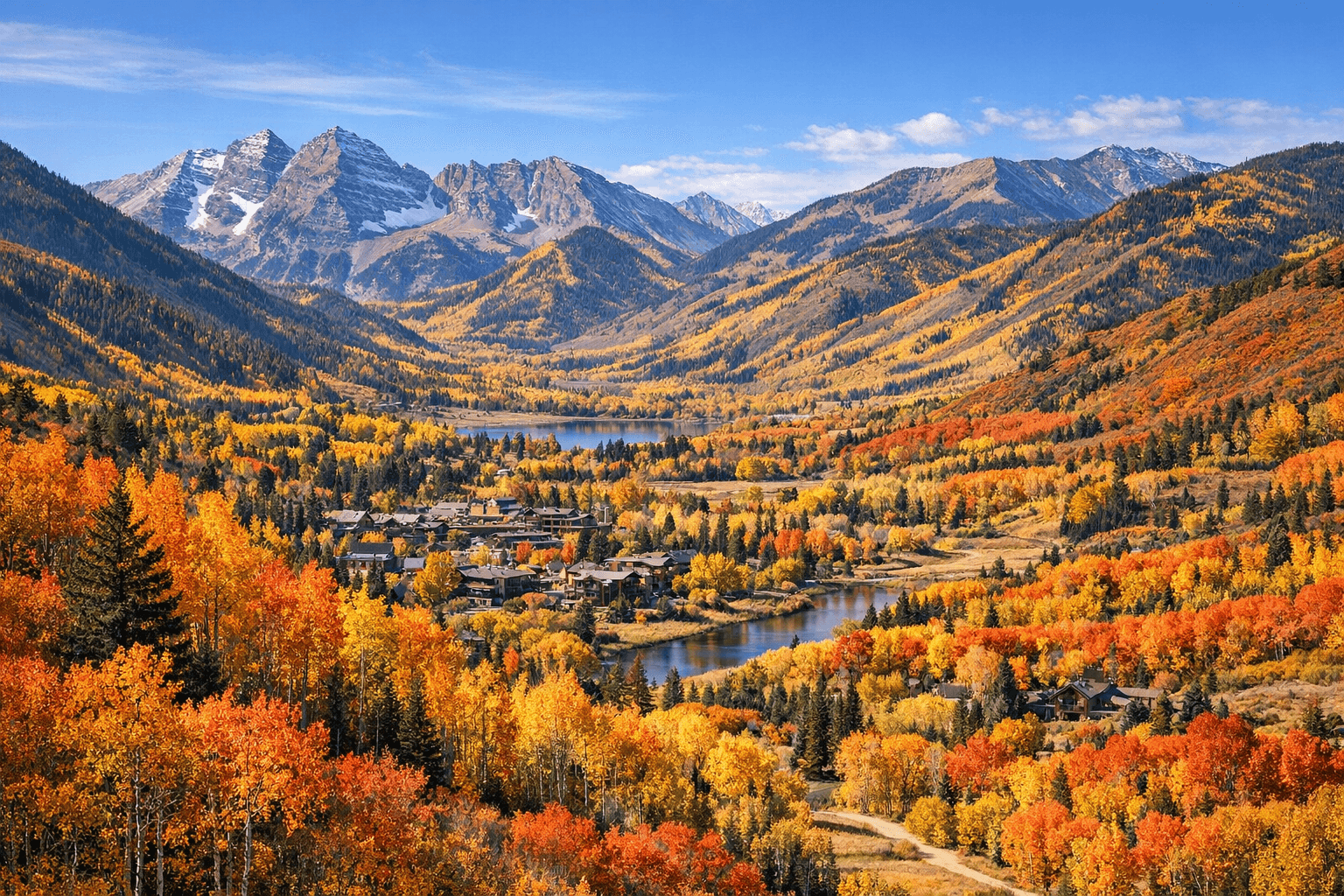
As the golden aspen leaves begin to blanket the Roaring Fork Valley, homeowners face a narrow window to safeguard their mountain estates before the first heavy snowfall. Neglecting winter preparation in our high altitude environment often leads to costly repairs; these include burst pipes, winter kill on lawns, and structural damage to specimen trees. Proper seasonal transitions are not merely about aesthetics; they are a critical investment in the long term health and value of your landscape. At MC Property Services, LLC, we understand that mountain properties require a specialized, expert approach to withstand the unique rigors of a Colorado winter. This guide provides a comprehensive fall checklist tailored to the specific needs of our region. You will learn how to fortify your turf, manage professional irrigation shutdowns, and protect your ornamental plantings from both heavy snow loads and local wildlife.
The High Altitude Fall Timeline in the Roaring Fork Valley
Managing a property in Aspen, Snowmass, or Basalt requires a departure from standard gardening advice. While general Colorado guides or Denver based blogs might suggest completing outdoor tasks in late October, mountain homes situated at 8,000 feet and above operate on a significantly compressed schedule. Our fall landscaping checklist mountain home timeline is dictated by a narrow Goldilocks window, the brief period between the first hard frost and the first major, sustaining snow accumulation.
In the Roaring Fork Valley, the ground does not simply cool down; it freezes deeper and faster than in lower elevations. This accelerated thermal shift makes the timing for irrigation blowouts and final plantings critical. If you wait until the end of October, you risk frozen lines and soil that is too hard to work. Successful winterization relies on executing these tasks while the soil remains workable but the plants have entered dormancy. Property owners who miss this window often face costly repairs from ruptured pipes or lost perennials that failed to establish roots. Engaging professional landscaping and maintenance services early in the season ensures your estate is prepared before the first heavy storm cycles move through the valley.
Lawn Care: Fortifying Your Turf for the Long Winter
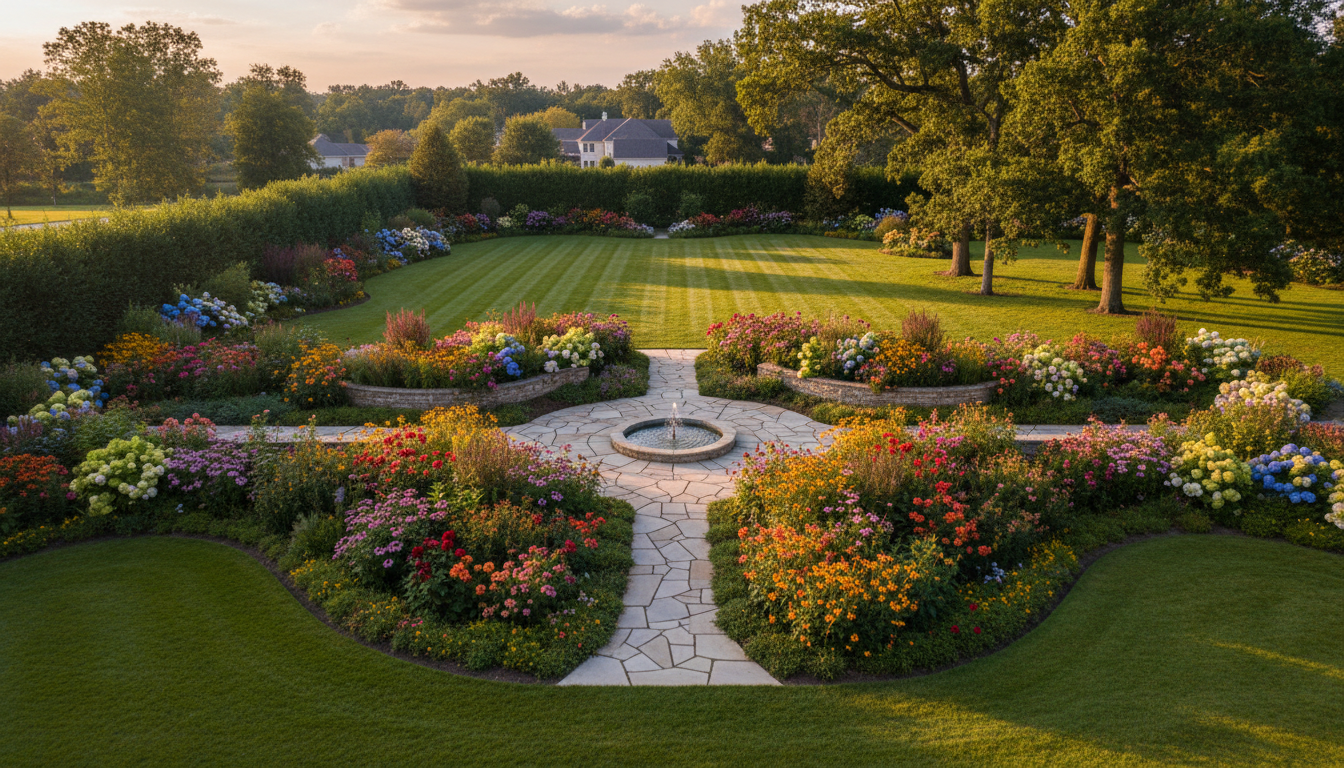
Once the soil temperature begins to drop, the focus shifts from aesthetic growth to structural resilience. Aeration is a non-negotiable step for any fall landscaping checklist mountain home in the Roaring Fork Valley. Our local soil is notoriously rocky and prone to heavy compaction from summer activity and construction. By pulling plugs of soil, we allow oxygen, water, and nutrients to reach the root zone before the ground enters a deep freeze. This mechanical relief is essential for preventing the turf from becoming hydrophobic during the spring melt.
Following aeration, a specialized Winterizer fertilizer application is critical. Unlike spring blends that prioritize nitrogen for green top growth, a mountain winterizer requires a higher phosphorus content to stimulate deep root development. Strengthening the root system now ensures the grass has the energy reserves to survive a dormant period that can last six months.
Precise mowing height is the final component of turf fortification. For the last cut of the season, aim for a height of 1.5 to 2 inches. Maintaining this specific range is vital; grass left longer than two inches will mat down under the weight of heavy snow packs, creating a breeding ground for snow mold. Conversely, cutting shorter than 1.5 inches exposes the grass crown to sub-zero temperatures and desiccating winds.
Finally, ensure all fallen Aspen leaves are thoroughly removed. Unlike the brittle leaves of the Midwest, Aspen leaves are small and waxy, forming an airtight seal when wet. If left on the lawn, they suffocate the blades and trap pathogenic moisture. Utilizing professional landscaping and maintenance services ensures these debris are cleared and the turf is correctly prepped for the valley's harsh alpine climate.
Critical Irrigation Shutdown: Sprinkler Blowouts and Drip Systems
After the final mow and leaf clearing, the most technically demanding task on your fall landscaping checklist mountain home remains: the irrigation shutdown. In the Roaring Fork Valley, the frost line can reach depths exceeding 36 inches, meaning a simple gravity drain is insufficient. Any residual water trapped in lateral lines or valves will expand during the freeze, leading to hairline fractures or complete system failure by spring. Professional winterization requires a high-volume air compressor to purge every drop from the system.
Safety and precision are paramount during this process. For properties with rigid PVC mainlines, air pressure must be regulated between 40 and 50 PSI. Flexible polyethylene pipe can withstand higher pressures, typically between 60 and 80 PSI, but exceeding these limits risks damaging sprinkler heads or causing friction heat that weakens the pipe walls. It is a common misconception that higher pressure is better; in reality, high volume (CFM) at a controlled pressure is what successfully clears the lines.
While lawn zones are robust, garden drip systems require extra attention. Drip lines are constructed from thinner materials and are far more susceptible to cracking when water crystallizes inside. We ensure these zones are blown out until only a fine mist remains, protecting the delicate emitters and microtubing.
Finally, do not overlook your outdoor spigots. Disconnect all garden hoses immediately after the final watering. Leaving a hose attached prevents the vacuum breaker from draining properly, which often causes the pipe to burst inside the heated wall of the home. For estates requiring comprehensive property management, these technical details are the difference between a seamless spring startup and thousands of dollars in avoidable repairs.
Protecting Trees and Shrubs from Heavy Snow Load and Sunscald
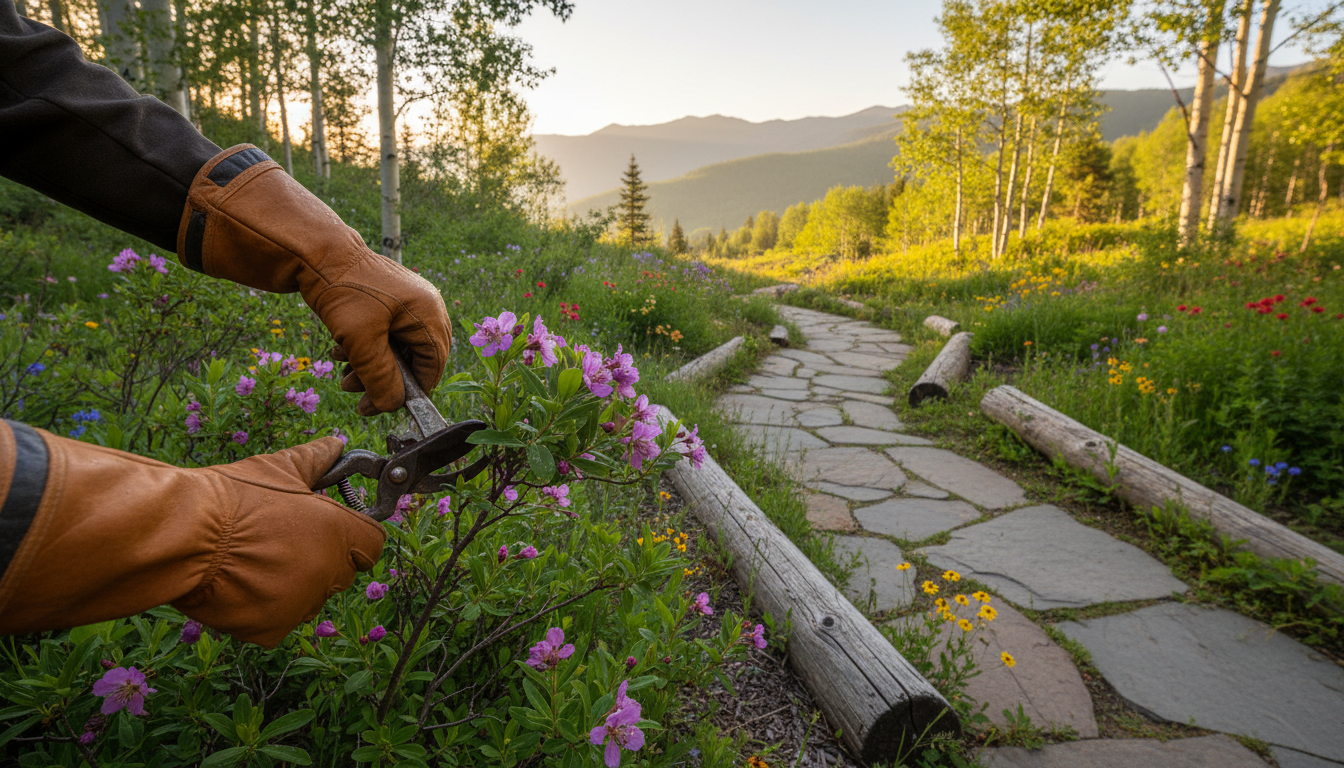
While securing your irrigation prevents underground failures, the vertical landscape requires separate structural defenses. In the Roaring Fork Valley, the weight of early season wet snow can be catastrophic for upright evergreens. Species like Junipers or Arborvitae often lack the internal structure to support hundreds of pounds of accumulation, causing branches to splay outward or snap entirely. As part of a professional fall landscaping checklist mountain home, we recommend wrapping these specimens with heavy-duty twine or burlap. Start at the base and work upward in a spiral pattern, pulling the branches tight enough to provide support without compressing the foliage to the point of restricted airflow.
Sunscald is another high-altitude threat that is often overlooked. In Aspen and Snowmass, the winter sun is exceptionally intense, especially when reflected off snow-covered south-facing slopes. This radiation can warm the bark of young deciduous trees, tricking the cells into breaking dormancy during the day. When temperatures plummet after sunset, the bark freezes and splits. Applying white tree wrap from the soil line up to the first major branch provides the necessary thermal reflection to prevent these vertical lesions. This is particularly vital for thin-skinned species like Maples or young Aspens that lack thick, protective bark.
Broadleaf evergreens, such as Boxwoods or Mahonia, face the additional challenge of winter desiccation. The dry, high-velocity winds characteristic of the valley pull moisture from the leaves while the frozen roots are unable to replenish it. Applying a high-quality anti-desiccant spray in late fall creates a permeable waxy coating that reduces moisture loss without suffocating the plant. For estates requiring professional landscaping and maintenance services, these preventative measures are vital for preserving the long-term health and structural integrity of the property's canopy. For more specific advice on your property's needs, you can contact MC Property Services to schedule an assessment.
Perennials and Flower Beds: What to Cut and What to Leave
Managing high-altitude perennials requires a strategic approach to pruning that balances plant health with winter aesthetics. A frequent concern for homeowners is determining what plants you should not cut back for winter. To ensure a robust fall landscaping checklist mountain home, we recommend leaving sturdy species like Echinacea, Rudbeckia, and ornamental grasses standing. These provide structural interest against the snow and offer a vital food source for local bird populations when other resources are scarce.
Conversely, plants with soft, water-heavy foliage require immediate attention after the first hard frost. Hostas and lilies quickly collapse into a mushy consistency that can trap moisture and encourage fungal pathogens or harbor pests. These should be trimmed back to within two or three inches of the soil level once the foliage has yellowed.
The final step in bed preparation involves insulating the root zones against the volatile climate of the Roaring Fork Valley. In lower elevations like Basalt and Carbondale, the freeze-thaw cycle is particularly aggressive. Rapid daytime warming followed by plummeting night temperatures can cause soil heaving, which physically pushes new plants out of the ground. Applying three to four inches of wood chips or clean straw provides the thermal buffer needed to keep soil temperatures consistent. For estates managed through professional landscaping and maintenance services, this insulation is a critical component of ensuring your garden’s longevity through the alpine winter.
Hardscape and Outdoor Living Space Preservation
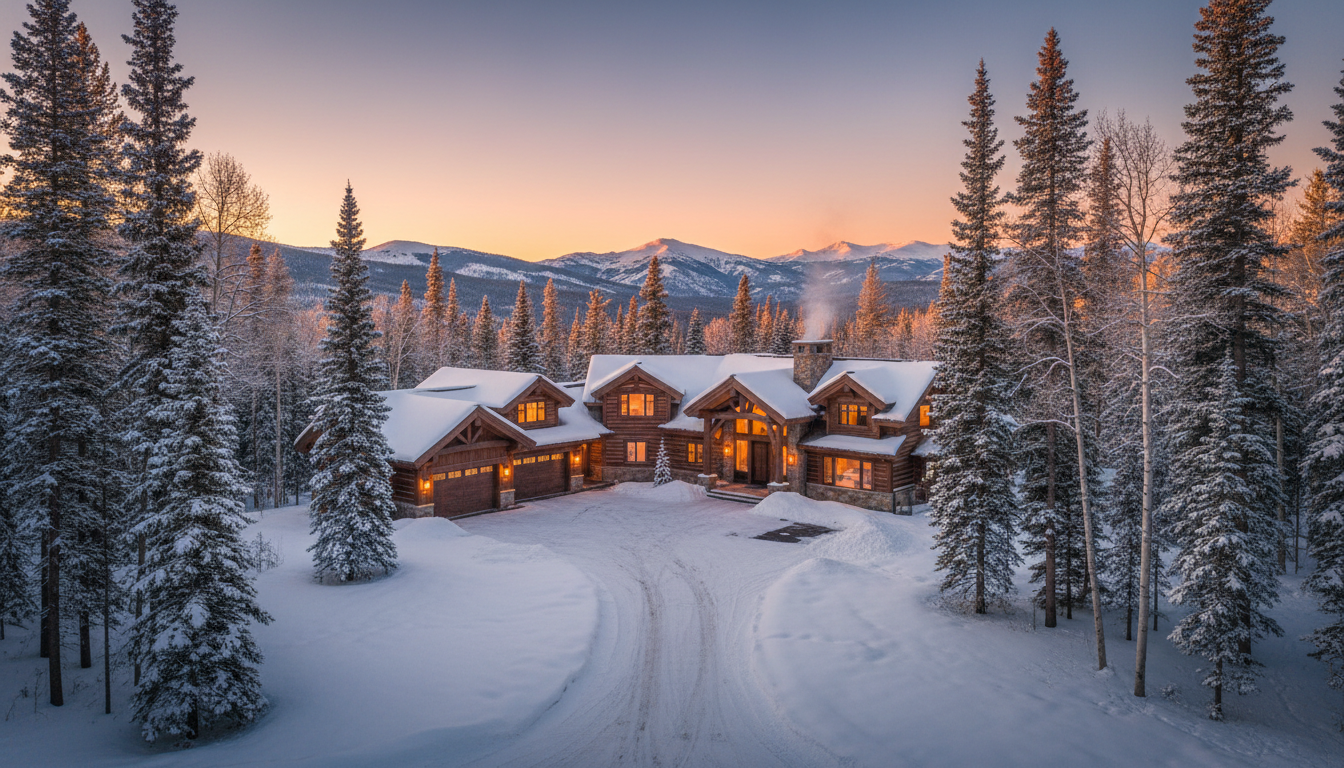
Preserving a Roaring Fork Valley estate requires looking beyond the garden beds to the structural elements of the property. Stone pathways and patios are particularly vulnerable to ice wedging. When moisture penetrates hairline cracks and freezes, the expansion can heave heavy pavers or split natural stone. We recommend a thorough cleaning followed by the application of a high-quality sealant to create a moisture barrier before the first hard freeze.
Gutter maintenance is another non-negotiable item on your fall landscaping checklist mountain home. Timing this task until after the final Aspen leaves have dropped is essential. Clogged gutters are the primary catalyst for ice dams, which can force water under shingles and into the home’s interior during the spring melt.
For outdoor living areas, move furniture into dry storage and ensure fire pits are securely covered to prevent material fatigue from heavy snow accumulation. Finally, conduct a pre-winter porch check. This involves staging pet-safe ice melt near entryways and stacking seasoned firewood in a dry, accessible location near the door. For owners away during the winter months, comprehensive property management ensures these structural details are monitored through every freeze-thaw cycle.
Wildlife Mitigation: Deer and Elk Protection
As winter settles into the Roaring Fork Valley, elk and deer descend from the high peaks, viewing residential landscaping as a primary food source. An essential addition to your fall landscaping checklist mountain home is the installation of physical barriers. Utilize heavy duty netting or wire cages to shield vulnerable species, particularly young Aspen saplings and Dogwoods, from heavy browsing. While organic repellents offer a secondary layer of protection, they must be reapplied during any mid winter thaw to remain effective.
Our team provides professional landscaping and maintenance services that include these specialized wildlife mitigation strategies. For a tailored protection plan for your estate, contact MC Property Services to evaluate your property’s specific risks and ensure your landscape remains intact until spring.
Preparing your mountain home for the Roaring Fork Valley winter requires attention to detail and timely action. By checking off these essential landscaping tasks, you ensure your property remains healthy and resilient during the heavy snow season. If you find the seasonal workload overwhelming or simply want expert help to guarantee professional results, MC Property Services, LLC is here to assist. You can explore our full range of Services to see how we can handle the preparation for you. Let us take care of the hard work so you can enjoy the peace of winter.